.png?x-oss-process=image/resize,h_100,m_lfit/format,webp)
.png?x-oss-process=image/resize,h_100,m_lfit/format,webp)
.png?x-oss-process=image/resize,h_100,m_lfit/format,webp)
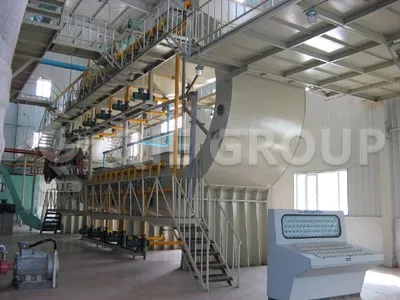
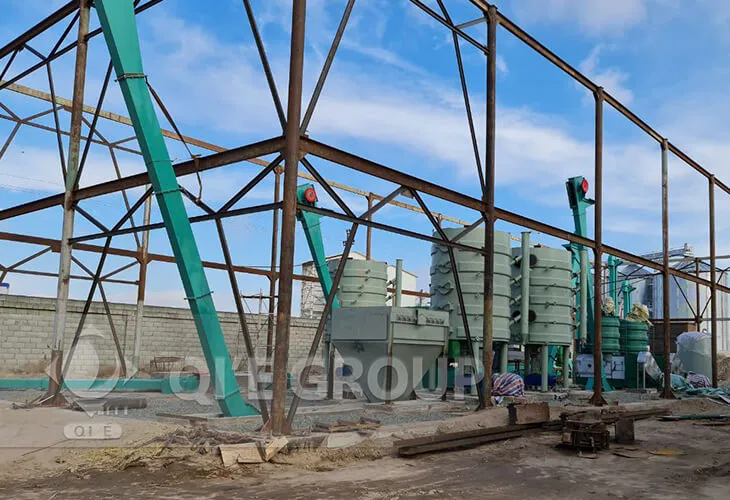
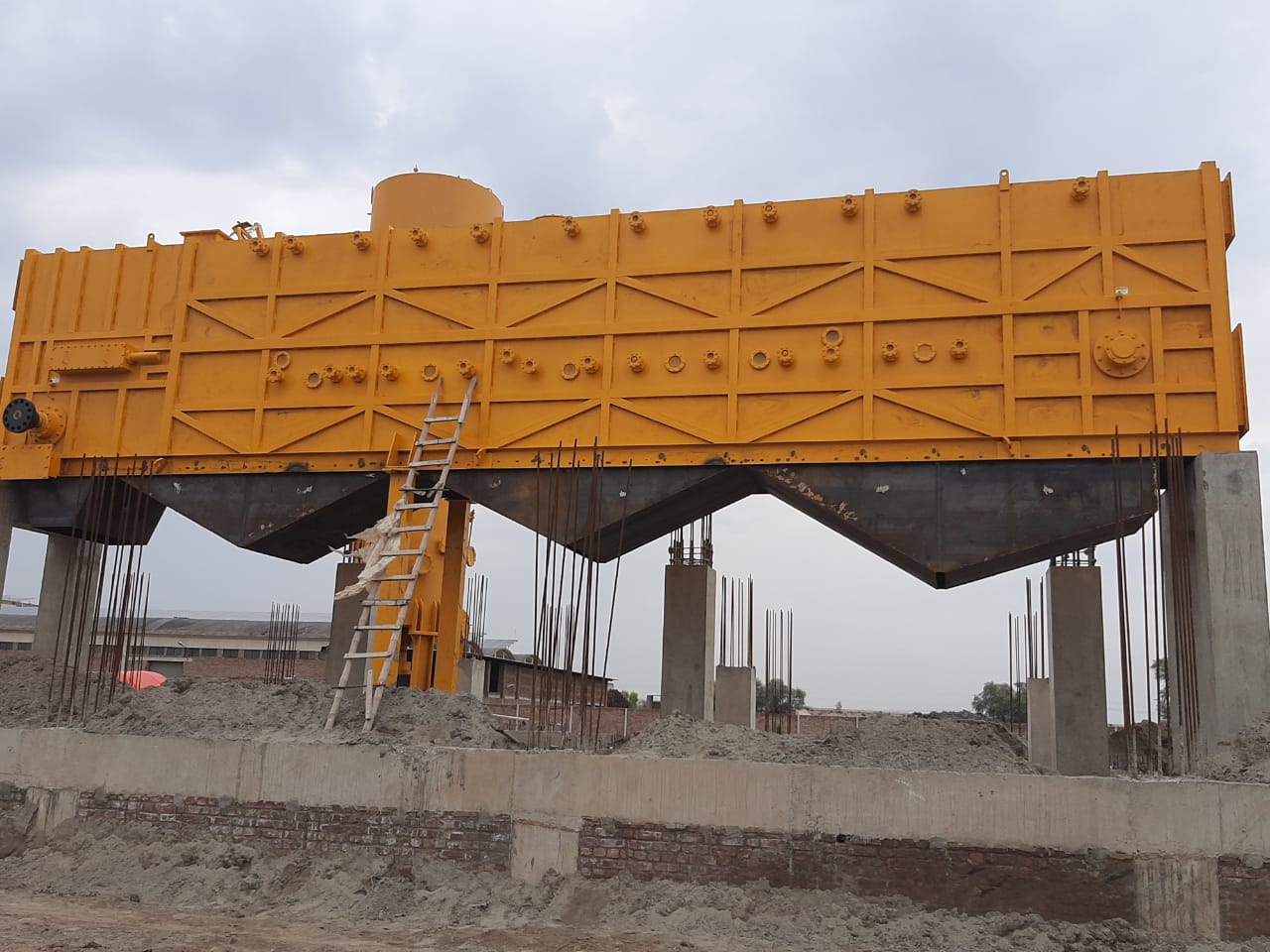
Recently, a 150TPD multi-seed oil extraction plant built by QIE GROUP for a customer in Pakistan officially commenced operation . This high-standard turnkey project is a modern production line with multi-material processing capabilities, covering the processing needs of soybeans, sunflower seeds, and rapeseed. QIE GROUP provided in-depth customization and adaptation to the customer's different material characteristics, terrain conditions, and local power availability, ensuring optimal equipment performance.
The project combines mature mechanical pre-pressing technology with efficient solvent extraction technology. Through QIE GROUP's latest patented technology, it helps customers maximize oil yield while significantly reducing solvent consumption and improving the overall operating efficiency of the production line.
Project workflow: From efficient pretreatment to precision solvent leaching
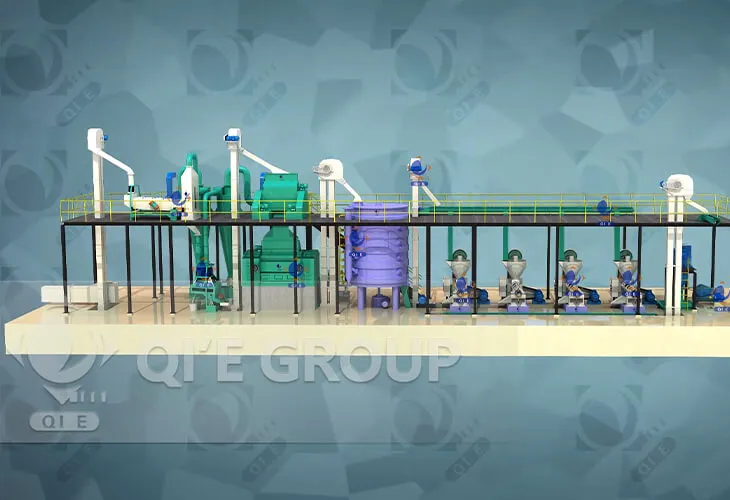
1. Industrial-grade pretreatment and pre-pressing section
The production line is equipped with customized processes to address the different physical properties of various oils, laying the foundation for subsequent extraction:
- • Cleaning and demagnetization: Thoroughly remove sand, gravel, and metal impurities from the raw materials, providing long-term protection for the core pressing equipment.
- • Crushing and rolling: Pressing oil into uniform flakes breaks down oil cells, shortens the leaching path, and improves efficiency.
- • Softening and steaming: Precisely regulate moisture and temperature to enhance the elasticity of the corn flakes, allowing mechanical pressing to achieve optimal results.
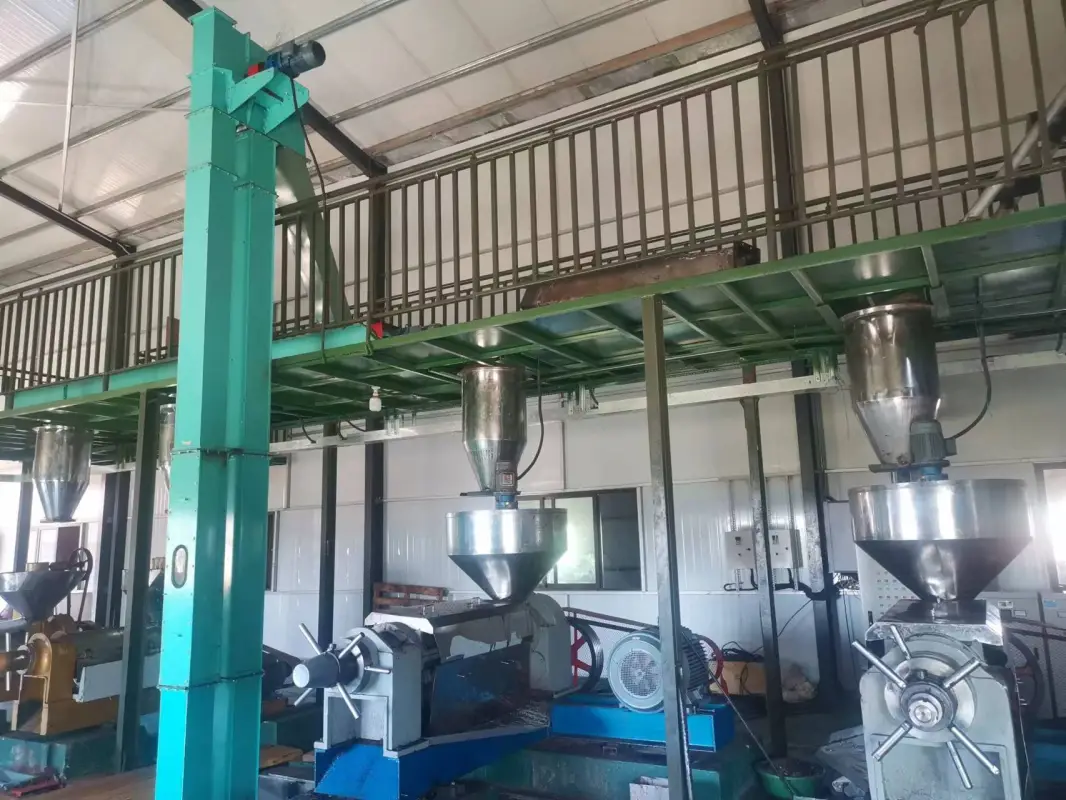
- • Pre-pressing process: A portion of the oil is extracted using a high-pressure screw press, and the resulting pre-pressed cake has ideal porosity, making it a high-quality raw material for subsequent leaching.

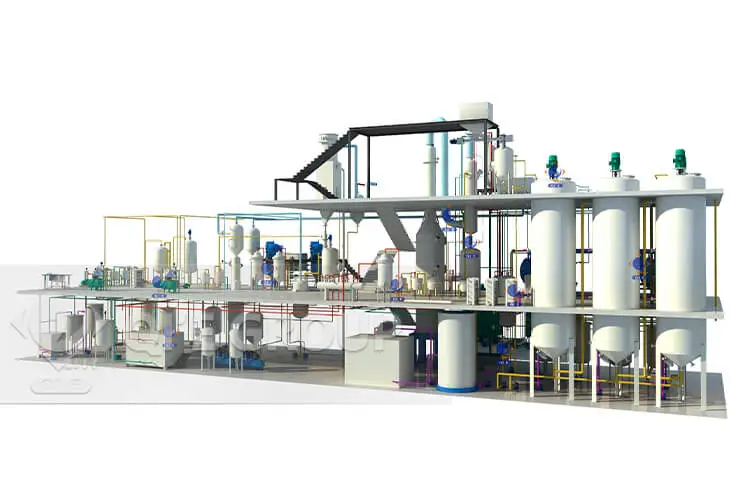
2. Intelligent solvent leaching and solvent recovery system
As a core component, this system not only improves efficiency but also meets EU environmental protection requirements:
- • Multi-stage spray leaching: The pre-pressed cake comes into full contact with the solvent, and the residual oil content in the meal is reduced to an extremely low level through advanced transfer technology.
- • Wet meal desolventizing and drying: Equipped with an advanced desolventizing, drying and cooling system, it produces high-quality feed meal with high protein content.
- • Multi-stage negative pressure evaporation: Achieves mixed oil evaporation and stripping at lower temperatures, preserving natural nutrients and significantly reducing energy consumption.
The strategic significance of the project's completion to the Pakistani market
Frequently Asked Questions about Multi-Seed Oil Extraction Plants
1. What are the actual benefits for investors of adopting the "multi-seed oil processing" design?
The main advantage of multi-seed design lies in "raw material flexibility." This means that investors can adjust production plans based on international soybean prices or local seasonal yields, reducing the risk of production stoppages.
2. Why is solvent leaching indispensable in large-scale oil and fat production?
Traditional mechanical pressing struggles to reduce residual oil levels to extremely low levels. Solvent extraction, on the other hand, maximizes oil extraction and resource utilization, making it an essential choice for industrial production.
3. How to ensure that the produced soybean meal or rapeseed meal meets feed standards?
The key lies in the DTDC system. This equipment, through precise temperature control and processing, thoroughly removes solvent residues and optimizes protein quality, producing ideal high-protein feed ingredients.
4. Is the solvent leaching process environmentally friendly during large-scale production?
Yes. Through multi-stage condensation and closed-loop circulation, the vast majority of solvents can be recycled and reused, meeting modern international environmental protection requirements.
5. What are the main products produced by a project of this size?
Our core products include high-quality crude vegetable oils (soybean, sunflower, and rapeseed oils) and high-protein defatted meal, effectively supplementing local market demand.